Western Range Rodeo Club SVG: A Designer’s Review
As a designer who has spent countless hours digitizing and testing files for real-world application, I approach every new machine embroidery design with a critical eye. It is not enough for a graphic to look good on a screen; it must hold up under the needle, survive the wash, and appeal to the end customer. Recently, I evaluated the Western Range Rodeo Club SVG to determine its viability for commercial and personal projects. This review breaks down how this digital asset performs when translated from a vector file into thread.
First Impressions and Visual Personality
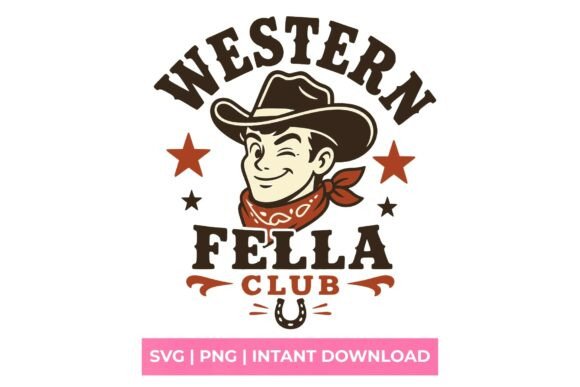
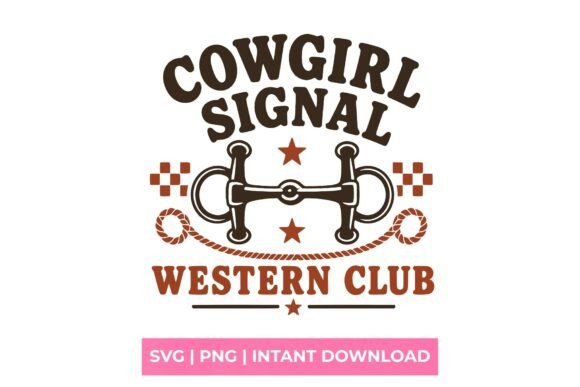
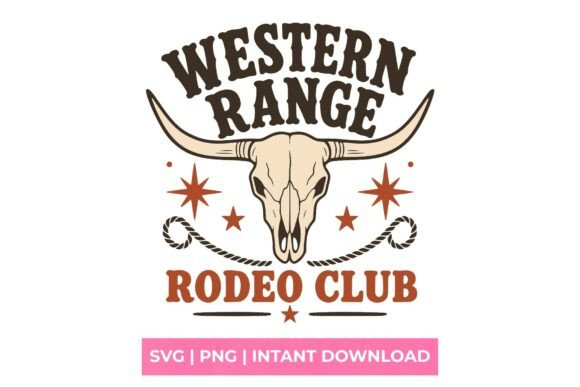
The first thing that strikes you about the Western Range Rodeo Club SVG is its bold, rustic aesthetic. The layout captures the spirit of the American West without relying on overly cliché or cluttered imagery. For an embroidery project, clarity is king. Complex gradients and tiny details often get lost in translation, but this design maintains strong lines and recognizable shapes. The mood is adventurous yet refined, making it suitable for a wide demographic, from rodeo enthusiasts to those who simply appreciate farmhouse or western-inspired decor.
When viewing the file as a Graphics asset, the scalability is evident. As an SVG, it allows for precise adjustments before digitization or cutting. However, for embroidery, we must consider how these vectors translate to stitch types. The open spaces suggest potential for fill stitch work, while the borders likely require a clean satin stitch or a defined running stitch to maintain sharpness. The visual personality is robust, meaning it can stand alone as a focal point on a garment or accessory.
Real-World Application: The Custom Tote Test
To truly understand the value of this design, I simulated a common client request: a custom embroidered tote bag for a local boutique. Canvas tote bags are a staple for Etsy sellers and small shop product lines because they offer a large, stable surface area. I placed the Western Range Rodeo Club SVG centrally on a heavy-duty cotton canvas.
The result was impressive. The design’s width allowed for substantial stitch coverage, giving the bag a premium, textured feel. Because the design elements are distinct, the thread colors popped against the natural fabric. I used a classic tan thread for the background elements and a deep brown for the text and outlines, creating a cohesive, earthy palette. This kind of handmade product appeals to customers looking for durability and style. It is not just a bag; it is a statement piece. The design did not feel cramped, nor did it feel sparse. It struck a balance that suggests professional digitization.
Versatility Across Product Lines
Beyond tote bags, this design shows promise in several other categories. For custom apparel, such as a heavyweight sweatshirt, the design acts as a chest emblem or a larger back print. Sweatshirt embroidery requires designs that do not pucker the fabric, and the solid nature of this SVG suggests it would stabilize well with proper backing. For T-Shirt Designs, one must be cautious. If the design is dense, it may feel heavy on a thin jersey knit. In such cases, using it as an applique design could reduce bulk while maintaining the visual impact.
I also considered its use in home goods. A pillow cover or a kitchen towel could benefit from this western theme, especially during holiday seasons. Holiday embroidery often leans toward festive colors, but a rustic western motif works year-round, particularly for birthdays or housewarming gifts. As a personalized gift, adding a name below the main graphic could enhance its sentimental value, provided the lettering remains legible at a smaller scale.
Technical Considerations and Fabric Constraints
While the design is versatile, it is not without its technical demands. Embroidery is a physical medium, and fabric texture plays a crucial role. On textured fabrics like terry cloth or waffle knit, fine details may disappear. Therefore, I recommend using this design on smoother, stable fabrics like cotton, denim, or canvas for the best results. If you are working with stretchy fabric, a cut-away stabilizer is non-negotiable to prevent distortion.
Hoop size is another critical factor. Before starting any project, measure your design dimensions against your machine’s maximum hoop capacity. If you intend to use this on a cap, remember that curved surfaces require specialized hooping and potentially a redesigned layout to account for the curvature. A design that looks flat on a screen can warp on a hat if not adjusted for the stitch density and pull compensation.
Dark fabrics present another challenge. If you are stitching on black or navy, you may need to add an underlay or use a lighter thread color to ensure visibility. Always test your embroidery file on a scrap piece of the actual fabric you plan to use. This step saves time, thread, and frustration. Check for thread breaks, especially in tight corners or dense areas. If the design includes small text, verify that it remains readable after stitching. Tiny lettering can easily become a blob of thread if the digitizer did not account for stitch expansion.
Commercial Viability and Brand Consistency
For craft business owners and commercial embroidery professionals, consistency is key. The Western Range Rodeo Club SVG offers a professional look that builds customer trust. A clean, well-executed design signals quality. When customers see a crisp, well-stitched logo or graphic, they perceive higher value in the finished product. This perception directly impacts buyer engagement and repeat business.
Using high-quality design assets like this SVG allows for consistent branding across different products. Whether you are selling embroidered patch items, aprons, or baby clothes, maintaining a cohesive visual style helps establish your brand identity. For digital product sellers, this file can be used to create realistic printable mockup images for online listings. High-resolution previews attract more clicks and conversions on platforms like Etsy.
However, always confirm licensing terms before selling finished items. While the product description mentions it is ready for creative projects, specific commercial rights can vary. Ensure you have the right to sell physical goods made with this design. If you are unsure, contact the creator or check the license file included in the download. Protecting your business from copyright issues is as important as the quality of your stitching.
Practical Designer Notes for Best Results
To get the most out of the Western Range Rodeo Club SVG, follow these practical steps:
- Test on Scrap Fabric: Always run a test stitch-out on the same type of fabric you will use for the final product. This reveals issues with tension, density, and registration.
- Check Thread Contrast: Choose thread colors that contrast sufficiently with the fabric. Low contrast can make the design look muddy or invisible from a distance.
- Review Stitch Density: If the design feels too stiff after stitching, consider reducing the density in your digitizing software if you have the editable file, or choose a lighter fabric.
- Confirm Hoop Size: Ensure your machine can accommodate the full design size without re-hooping, which can lead to misalignment.
- Inspect Small Details: Zoom in on the design to identify any tiny elements that might cause thread breaks. Remove or simplify them if necessary.
- Use Proper Stabilizer: Match the stabilizer to the fabric. Use tear-away for stable woven fabrics and cut-away for knits or stretchy materials.
- Verify Licensing: Double-check the usage rights for commercial sales to ensure compliance with the creator’s terms.
In conclusion, the Western Range Rodeo Club SVG is a strong contender for designers looking to expand their western-themed portfolio. It balances aesthetic appeal with practical applicability. By understanding its strengths and limitations, you can create high-quality, profitable items that resonate with your audience. Whether you are a hobbyist making a baby embroidery gift or a professional outfitting a team, this design offers the versatility and professionalism needed for successful projects.