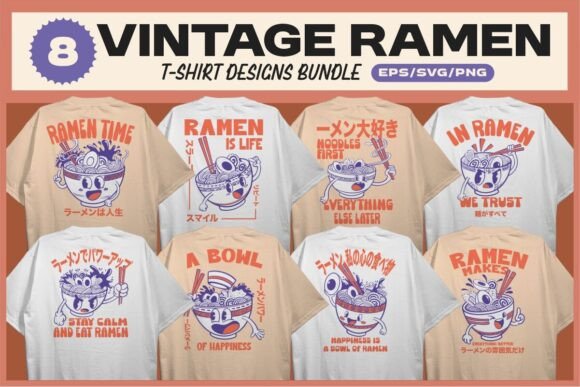
Vintage Ramen Bundle: A Designer’s Review
As a designer who has spent countless hours digitizing motifs and troubleshooting thread breaks, I approach any new machine embroidery design collection with a mix of curiosity and skepticism. We have all been there: downloading a bundle that looks stunning on the screen but turns into a tangled mess of bird’s nests on the fabric. That is why I took a close look at the VINTAGE RAMEN T-SHIRT DESIGNS BUNDLE. This isn’t just about aesthetics; it is about functionality, stitch quality, and how these assets translate from a digital file to a tangible, high-quality finished product.
First Impressions: Nostalgia Meets Modern Craft
The immediate appeal of this bundle lies in its thematic consistency. The vintage ramen motif taps into a popular cultural trend that resonates with a wide demographic, from college students to foodies. Visually, the designs carry a retro weight that feels authentic rather than gimmicky. For an embroidery project, this is crucial. You want a design that tells a story without screaming for attention. The layout suggests a balance between bold outlines and detailed interiors, which is often where digital files fail when converted to thread.
When I first opened the files, I was looking for clean vector paths. Since the product description notes that the bundle includes 8 EPS, SVG, and PNG files, along with 100 vector graphics, the versatility is evident. However, as an embroiderer, my mind immediately jumps to conversion. These are primarily graphics suitable for digital printing and sublimation, which means if you are planning to use them for direct machine embroidery, you will likely need to digitize them yourself or use auto-digitizing software with caution. The clarity of the original vectors is a huge plus here, providing a solid foundation for creating custom applique design layouts or manual digitizing.
Real-World Application: The Custom Tote Test
To truly evaluate the potential of these assets, I imagined a specific real-life scenario: creating a line of custom tote bags for a local Asian fusion restaurant. This is a common request for Etsy sellers and small shop owners. The goal is to create a handmade product that feels premium and durable.
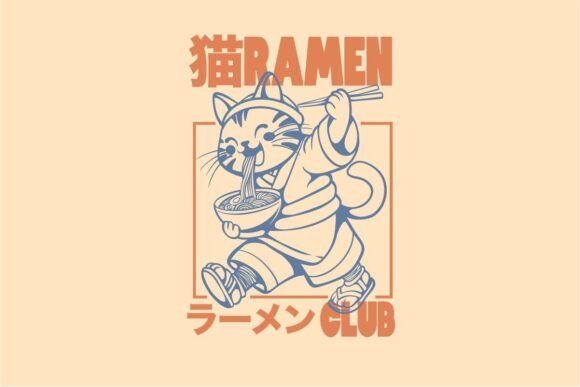
Using the ramen bowl graphic from the bundle, I considered how it would look as a central chest print on a canvas tote. The bold lines of the noodle bowl would translate well into a satin stitch border, giving the design a raised, tactile feel that printing cannot achieve. The steam rising from the bowl could be rendered in delicate running stitch work, adding texture without adding excessive bulk. This combination of stitch types is key to maintaining the visual integrity of the vintage aesthetic while ensuring the item remains flexible and usable.
If you are a craft business owner, this bundle offers more than just one-off ideas. It provides a cohesive theme for a entire collection. Imagine matching sweatshirt embroidery for staff uniforms, paired with embroidered patches for loyalty cards. The consistency in style helps build brand recognition, which is vital for any small shop product line.
Navigating Technical Challenges
While the artistic merit is high, we must address the technical realities of using graphic-heavy bundles for embroidery. The VINTAGE RAMEN T-SHIRT DESIGNS BUNDLE is described as ready-to-print with 300 DPI, which is excellent for sublimation and DTG (Direct to Garment) printing. However, for needle-and-thread work, we need to talk about density and scale.
One major consideration is stitch density. If you are converting these vector graphics into an embroidery file, you must be mindful of how many stitches per inch you apply. Ramen bowls often have intricate details in the broth and toppings. If you try to stitch every tiny detail, you risk creating a stiff, cardboard-like patch that may pucker the fabric. My advice is to simplify. Use fill stitch areas for the larger components like the bowl itself, and reserve detailed stitching for the focal points, such as the chopsticks or the egg.
Fabric choice plays a massive role here. On a sturdy cotton tote or a denim jacket, these designs will shine. However, on thin or stretchy fabrics, such as a lightweight tri-blend t-shirt, you must use the proper stabilizer. A cut-away stabilizer is often necessary to support the weight of the threads, especially if you are using multiple thread colors to capture the vintage palette. Without adequate stabilization, the design may distort after washing, ruining the professional look of your custom apparel.
Commercial Viability and Brand Consistency
For commercial embroidery projects, consistency is king. Buyers engage with products that look professional and well-thought-out. This bundle supports that by offering a unified visual language. Whether you are creating an embroidered patch for a hat or a full-back design for a hoodie, the vintage ramen theme creates a strong narrative.
Consider the holiday embroidery market. A ramen-themed design could be adapted for winter gifts, playing on the "comfort food" angle. By pairing the design with warm, autumnal thread colors, you can create a seasonal product that feels timely and relevant. This adaptability increases the value of the design assets, allowing you to maximize your return on investment.
Furthermore, the inclusion of PNG files allows for easy creation of printable mockup images. Before you stitch a single thread, you can place the design on various product photos to gauge customer interest. This is a crucial step for any digital product seller or online retailer. It saves time and materials by letting you test visual appeal before committing to production.
Practical Notes for the Embroiderer
Before you dive into production, here are some practical steps to ensure success with this bundle:
- Test on Scrap Fabric: Always run a test stitch-out on the same type of fabric you plan to use for the final product. This helps you identify any tension issues or thread breaks.
- Check Thread Contrast: Vintage designs often rely on muted or distressed colors. Ensure your thread choices provide enough contrast against the fabric background so the design remains legible.
- Review Hoop Size: Determine the maximum size of the design you intend to stitch. Ensure your machine’s hoop size can accommodate it without requiring re-hooping, which can lead to alignment errors.
- Inspect Small Details: If you are digitizing these vectors yourself, pay close attention to tiny elements. Sometimes, what looks good in vector form is too small to stitch effectively. Simplify or enlarge these areas as needed.
- Confirm Licensing: While the bundle is great for creative projects, always double-check the license terms regarding commercial use. Ensure you are compliant when selling finished product items or using the graphics in marketing materials.
Final Verdict
The VINTAGE RAMEN T-SHIRT DESIGNS BUNDLE is a robust resource for designers and makers. Its strength lies in its thematic appeal and high-quality vector foundations. While it is marketed heavily towards printing and sublimation, its value for embroiderers is significant if approached with the right technical mindset. By understanding the nuances of stitch density, fabric texture, and stabilizer selection, you can transform these graphics into stunning, tactile works of art.
Whether you are creating a personalized gift for a friend who loves noodles or launching a new line of baby embroidery items with playful food themes, this bundle provides the creative spark you need. Just remember that the transition from screen to stitch requires careful planning. With the right preparation, these designs can elevate your craft business and delight your customers with unique, high-quality merchandise.