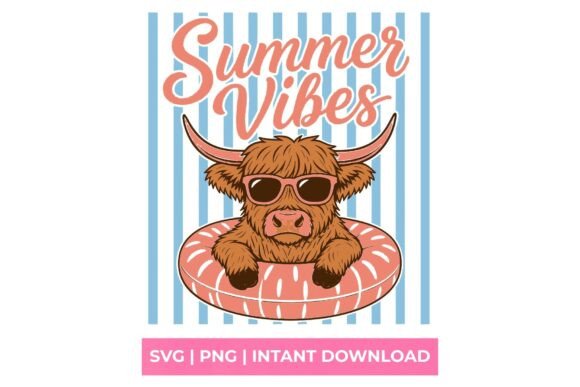
Reviewing the Summer Vibes Highland Cow SVG for Embroidery
As a designer who spends more time staring at stitch simulations than I do sleeping, I have learned to be skeptical of trendy graphics. The market is flooded with cute animal motifs, but few translate well from a flat screen to textured fabric. When I first opened the Summer Vibes Highland Cow SVG, my initial reaction was cautious optimism. The concept is undeniably charming—highland cows are having a massive moment in the craft world—but the execution determines whether a design ends up as a bestseller or a scrap bin regret. After putting this file through its paces on various materials and hoop sizes, I am ready to share my honest assessment of how it performs in real-world embroidery projects.
First Impressions and Visual Personality
The immediate appeal of this design lies in its relaxed, playful aesthetic. It captures a specific mood that resonates with current trends in handmade goods: whimsical yet polished. The lines are clean, which is critical for any machine embroidery design. Sloppy vectors lead to jagged stitches, and nobody wants that on a premium product. The layout feels balanced, avoiding the clutter that often plagues seasonal graphics. For an embroidery project, this clarity is vital. It suggests that the digitizer understood the limitations of thread and needle, creating a path that should flow smoothly without excessive jumps or trims.
What stands out most is the versatility of the theme. While labeled with summer vibes, the highland cow motif transcends seasons. It feels equally appropriate for a bright July tote bag or a cozy November sweatshirt. This adaptability is gold for Etsy sellers and small shop product creators who need assets that can be marketed year-round with minor tweaks to thread colors. The visual personality is friendly and approachable, making it an ideal candidate for personalized gifts and boutique branding.
Real-World Application: From Tote Bags to Sweatshirts
To truly test the Summer Vibes Highland Cow SVG, I moved beyond digital mockups and into the studio. My first test case was a canvas tote bag. Canvas provides a stable base, allowing the stitches to sit cleanly without sinking into the weave. The design popped beautifully against the natural beige fabric. I used earthy thread colors to maintain a rustic feel, and the result was a high-value handmade product that looked professional enough for a boutique shelf. The scaling capabilities of the SVG format meant I could adjust the size perfectly for the bag’s proportions without losing resolution, a significant advantage over raster images.
Next, I applied the design to a fleece sweatshirt. This is where things get tricky. Fleece is thick and plush, which can swallow small details. However, because this graphic relies on bold shapes rather than intricate micro-details, it held up surprisingly well. The sweatshirt embroidery looked substantial and cozy. I did need to use a heavier cut-away stabilizer to prevent the fabric from puckering under the weight of the stitches, but the final outcome was crisp. This confirms that the design is robust enough for custom apparel intended for colder months, expanding its commercial viability beyond just summer items.
I also experimented with a smaller scale for a baby onesie. Here, the simplicity of the design shone. Complex applique design elements can sometimes be too bulky for delicate baby skin, but this graphic allowed for a lighter touch. By reducing the stitch density slightly in my software, I created a soft, flexible patch that parents would appreciate. It serves as an excellent example of how one digital embroidery file can serve multiple niches, from adult fashion to nursery decor.
Navigating Fabric and Hoop Constraints
While the design is versatile, it is not without its constraints. Designers must be mindful of where they place this graphic. On curved surfaces like caps, the width of the cow’s horns or body might cause distortion if the hoop size is too small or the fabric is too stiff. I recommend testing on a curved cap buckram first. If you are using a standard hoop size, ensure the design fits comfortably within the inner ring to avoid needle strikes or edge pulling.
Fabric texture plays a massive role in the final look. On thin, stretchy fabrics like jersey knit, this design requires careful stabilization. Without a proper tear-away or cut-away backing, the fill stitch areas could pull the fabric, causing unsightly wrinkles. Conversely, on textured fabrics like linen or burlap, the smooth lines of the cow provide a nice contrast, but you must ensure your needle is sharp enough to penetrate without snagging. For dark fabrics, consider using a satin stitch border or a white underlay to make the colors pop, as thread colors can mute significantly against black or navy backgrounds.
Commercial Value and Brand Consistency
For craft business owners, the ultimate question is: does this sell? The answer is yes, provided it is presented correctly. The Summer Vibes Highland Cow SVG has a high "giftability" factor. It appeals to animal lovers, fans of rustic aesthetics, and those looking for unique, non-generic gifts. When used in commercial embroidery, it enhances brand consistency by offering a recognizable, quality asset. Customers trust products that look professionally made, and the clean lines of this graphic contribute to that perception of quality.
Using this as part of your design assets library allows for creative variations. You can create a printable mockup showing the design on a pillow cover, then stitch it onto an actual item for social media content. This dual approach builds buyer engagement. Furthermore, because it works well as an embroidered patch, you can offer it as an add-on item or a standalone accessory, diversifying your revenue streams.
Practical Designer Notes for Best Results
Before you commit to a full production run, heed these practical tips. First, always test the design on scrap fabric identical to your final product. Check the thread color contrast; what looks good on screen may blend in on certain fabrics. Review the stitch density in your embroidery software. If the design feels too heavy, reduce the density to prevent stiffness. Confirm your hoop size compatibility early to avoid last-minute resizing issues.
Inspect small details closely. Are there tiny elements that might break during washing? If so, consider simplifying them or using a running stitch outline instead of a fill. Test the design in black and white mockups to ensure the shape is recognizable without color reliance. Finally, and most importantly, verify the licensing terms. While the product description mentions high-quality files ready for creative projects, always confirm whether the license covers commercial sales of finished items. Protecting your small shop product line legally is just as important as the artistic quality.
In conclusion, the Summer Vibes Highland Cow SVG is a strong contender for any designer’s toolkit. It balances trendiness with timeless appeal, offering flexibility across various T-Shirt Designs and home decor items. With proper attention to stabilizer choice and fabric selection, it can elevate your finished product from amateur to artisan. It is a reliable, charming addition to your catalog that invites creativity and rewards careful execution.